
La yute se obtiene de los tallos de las plantas de Corchorus y, por lo tanto, pertenece a la familia de las fibras de líber. Es, después del algodón, la fibra natural más importante en términos de cantidad y se utiliza principalmente para materiales de embalaje (por ejemplo, sacos), hilos y alfombras. Las fibras de yute tienen una alta resistencia a la tracción con baja elasticidad, por lo que son especialmente adecuadas para hilos y tejidos.

Advantages

Disadvantages
La planta de Corchorus se cultiva hoy en día principalmente en India y Bangladesh. Después de solo 4 meses, las plantas pueden ser cosechadas y las fibras extraídas del tallo. Para ello, los tallos se someten a un proceso de maceración en agua, como ocurre con otras fibras naturales, tras el cual las fibras pueden ser extraídas, lavadas y secadas.
Faserfüllstoff
1
Typ
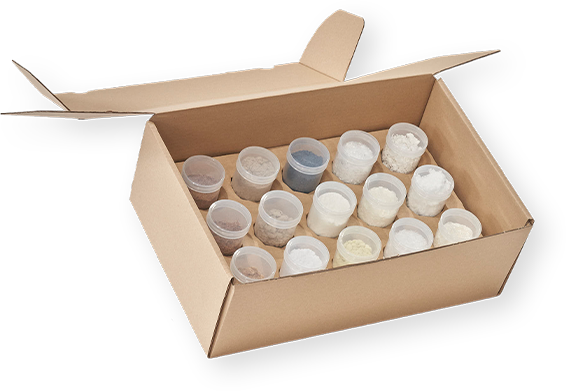
Contact our fibre experts and discover our extensive STW sample box with numerous raw material samples, personally tailored to your needs and requirements.
State-of-the-art laboratory facilities, quality management according to ISO 9001:2015, energy management according to ISO 50001:2018 and last but not least the high demands on our own work ensure the high quality standards of our Fibra de yute. See for yourself.
If you want to know more about the technology and quality of our Fibra de yute If you want to know, just get in touch with us. We would be happy to advise you comprehensively and help you with our know-how.
You are looking for the perfect Fibra de yute for your application or have an exact requirement profile, which the used Fibra de yute must fulfill?
Then you are exactly right, as a technology leader in the field of fibre development and production, we offer you individual solutions and manufacturing processes that ensure constant and reproducible fibre quality.