
La juta viene ricavata dagli steli delle piante di Corchorus e appartiene quindi alla famiglia delle fibre di rafia. È, dopo il cotone, la fibra naturale più importante in termini di quantità e viene utilizzata principalmente per materiali da imballaggio (ad esempio sacchi), filati e tappeti. Le fibre di juta possiedono un'elevata resistenza alla trazione con bassa elasticità e sono quindi particolarmente adatte per filati e tessuti.

Advantages

Disadvantages
La pianta di Corchorus viene coltivata oggi prevalentemente in India e Bangladesh. Dopo soli 4 mesi le piante possono essere raccolte e le fibre possono essere ottenute dal fusto. A tal fine, i fusti vengono sottoposti a macerazione in acqua come altre fibre naturali, dopo di che le fibre possono essere estratte, lavate e asciugate.
Faserfüllstoff
1
Typ
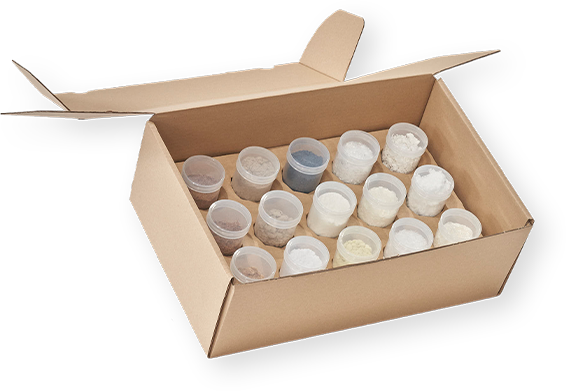
Contact our fibre experts and discover our extensive STW sample box with numerous raw material samples, personally tailored to your needs and requirements.
State-of-the-art laboratory facilities, quality management according to ISO 9001:2015, energy management according to ISO 50001:2018 and last but not least the high demands on our own work ensure the high quality standards of our Fibra di juta. See for yourself.
If you want to know more about the technology and quality of our Fibra di juta If you want to know, just get in touch with us. We would be happy to advise you comprehensively and help you with our know-how.
You are looking for the perfect Fibra di juta for your application or have an exact requirement profile, which the used Fibra di juta must fulfill?
Then you are exactly right, as a technology leader in the field of fibre development and production, we offer you individual solutions and manufacturing processes that ensure constant and reproducible fibre quality.