

Per quanto diverse possano essere le nostre fibre tagliate corte e i loro ambiti di applicazione, tutte sono accomunate dalla precisione unica con cui vengono realizzate. Grazie alla nostra tecnologia di frantumazione altamente sviluppata, possiamo soddisfare praticamente ogni richiesta del cliente. Non solo approssimativamente, ma in modo del tutto preciso.
Le nostre fibre tagliate corte hanno una lunghezza definita e sono prodotte da fibre continue appositamente realizzate per STW. Lavoriamo esclusivamente con produttori di fibre selezionati, che conoscono e rispettano affidabilmente le nostre specifiche. Con processi di produzione sviluppati internamente, frantumiamo cavi di fibre in tagli corti, sui quali vengono applicati agenti adesivi adatti alle applicazioni finali. Nel taglio delle fibre, influenziamo esclusivamente la lunghezza della fibra, che è uno dei criteri di qualità decisivi. La qualità dei nostri cavi di fibre filate ridotti a fibre corte soddisfa i requisiti più elevati: per questo ottimizziamo continuamente i nostri processi di frantumazione multistadio e progettati specificamente per il tipo di fibra.
Filter application areas:
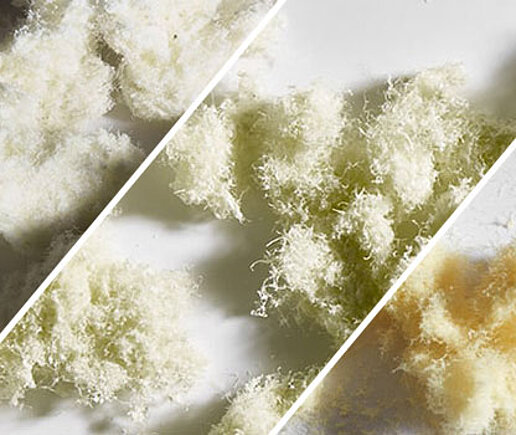
Aramidfaser
Das Wort Aramid ist eine Zusammensetzung aus den Wörtern „aromatisches Polyamid“ und ist auch unter den…

Basaltfaser
Basaltfasern werden durch Schmelzspinnen einer 1400 °C heißen Masse von geschmolzenem Basalt hergestellt. Die…

Glasfaser
Werden aus einer Schmelze von Glas lange, dünne Fäden gezogen erhält man Glasfasern. Diese technisch sehr…

Flachsfaser
Nachdem das aus der Flachsfaser hergestellte Leinen im 19. Jahrhundert durch Baumwolle praktisch verdrängt…
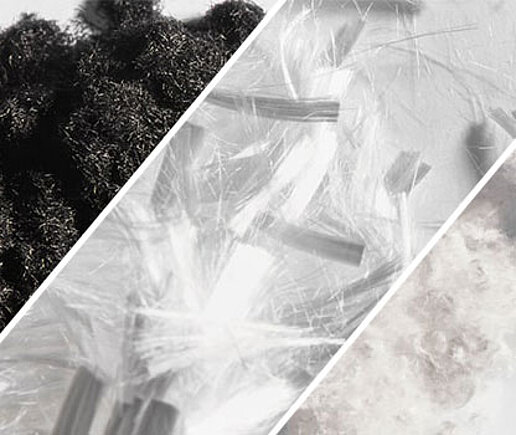
Cellulosefaser
Cellulosefasern bilden den Hauptbestandteil der Zellwände in Pflanzen. Damit ist Cellulose das am häufigsten…

Polypropylenfaser
Polypropylen (kurz PP) gehört zur Familie der Polyolefine und ist der mengenmäßig meisteingesetzte Kunststoff…
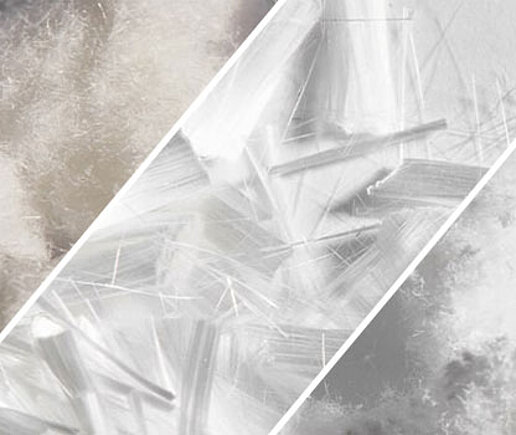
Acrylfaser
Acrylfasern, auch PAC oder PAN genannt, bestehen zu mindestens 85% aus dem Monomer Acrylnitril. Darüber hinaus…

Carbonfaser
Kohlenstofffasern, auch Carbonfasern genannt, haben große Bekanntheit durch ihren Einsatz in Carbonfaser…
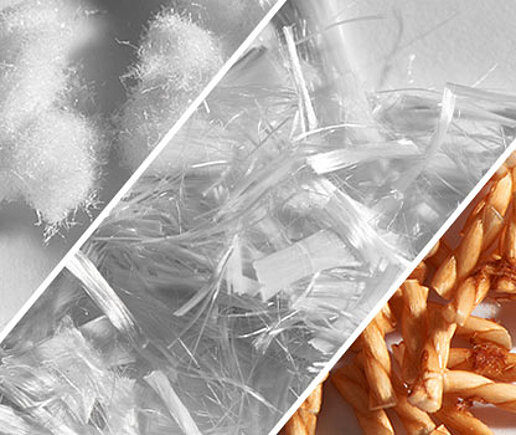
Polyesterfaser
Die Gruppe der Polyester Fasern stellt den größten Anteil an synthetisch produzierten Fasern weltweit. Obwohl…
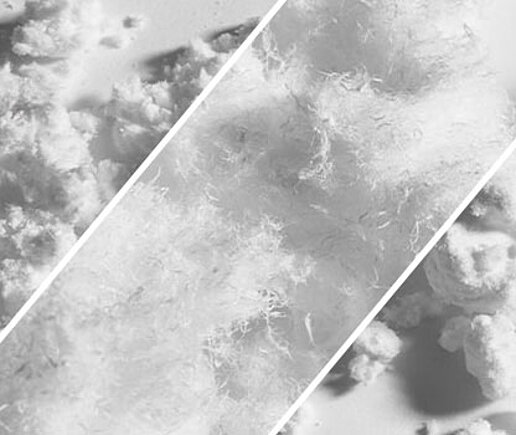
Polyethylenfaser
Polyethylen (kurz PE) gehört zur Familie der Polyolefine und ist zusammen mit Polypropylen der…

Polyvinylalkoholfaser
Polyvinylalkohol, oder kurz PVA, ist formell das Polymer des Vinylalkohols. Auch bekannt ist es unter…


